Case study · ADP · 2014
Smart Compliance platform
Earlier work from 2014: systems thinking and information architecture across six product lines.
Tap or click any image to see it larger.
6 → 1
Products to one platform
- My role
- Lead designer: designed, proposed and championed the system
- Worked with
- Product, Engineering, the design team
- Disciplines
- Information architecture, Service design, Systems design, UX research
My part
I was the lead designer who designed, developed, proposed, and championed the system. Throughout the process, I collaborated with Product and Engineering and received feedback from members of the design team.
The problem
ADP’s Added Value Services solutions were fragmented and difficult for customers to use. Each product had different data sources, interaction models, and user interfaces, which made using the various products confusing and difficult. Notifications and messaging were fragmented and caused confusion for customers. These issues negatively affected growth and retention.
6 Different experiences required for customers to accomplish tasks
The work
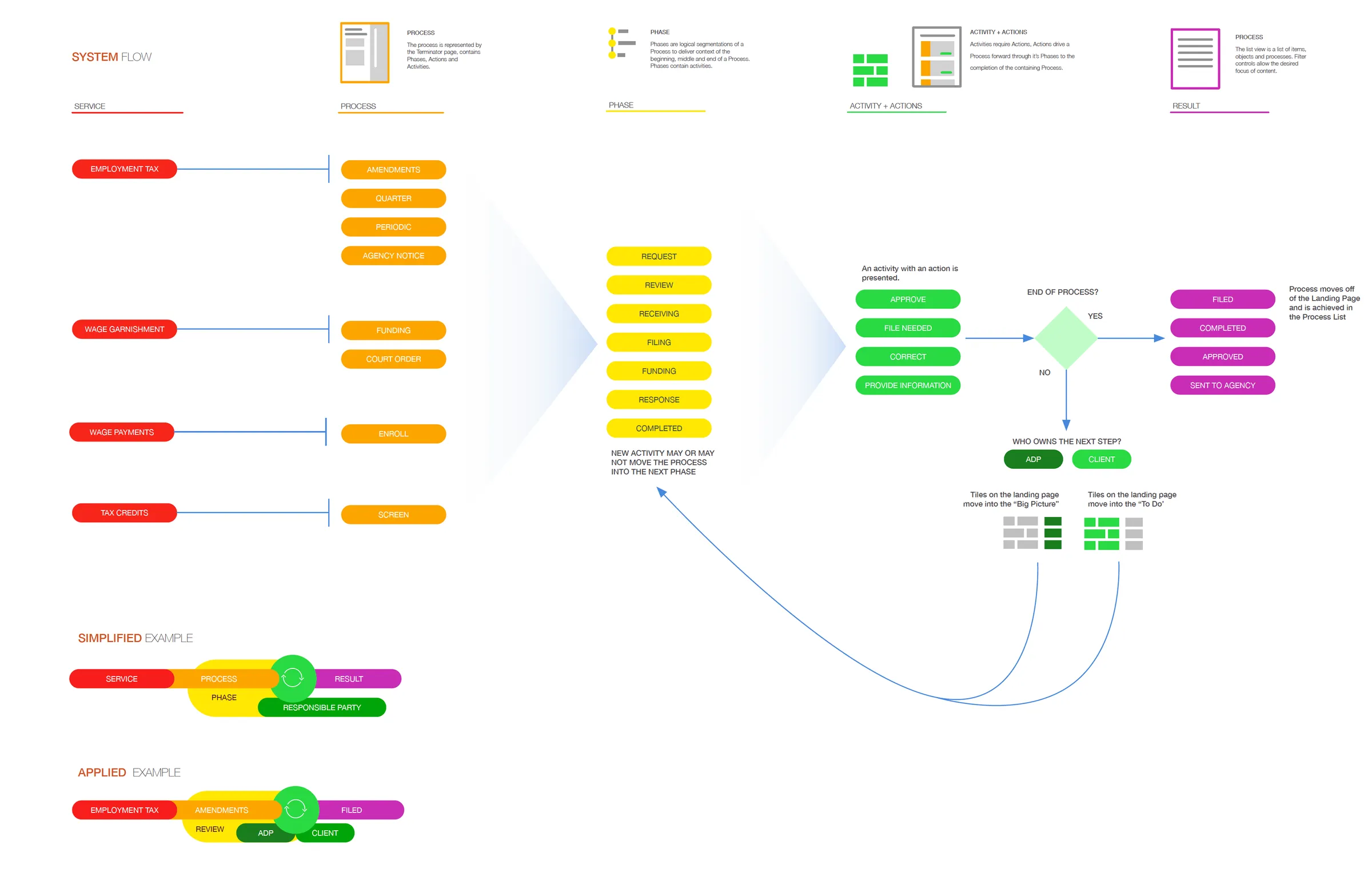
The main issue we aimed to solve was the fragmentation of the products and services. Could we bring together a platform that would provide a unified and consistent experience across the services? I examined each service closely, identifying common task themes.
More than fragmentation
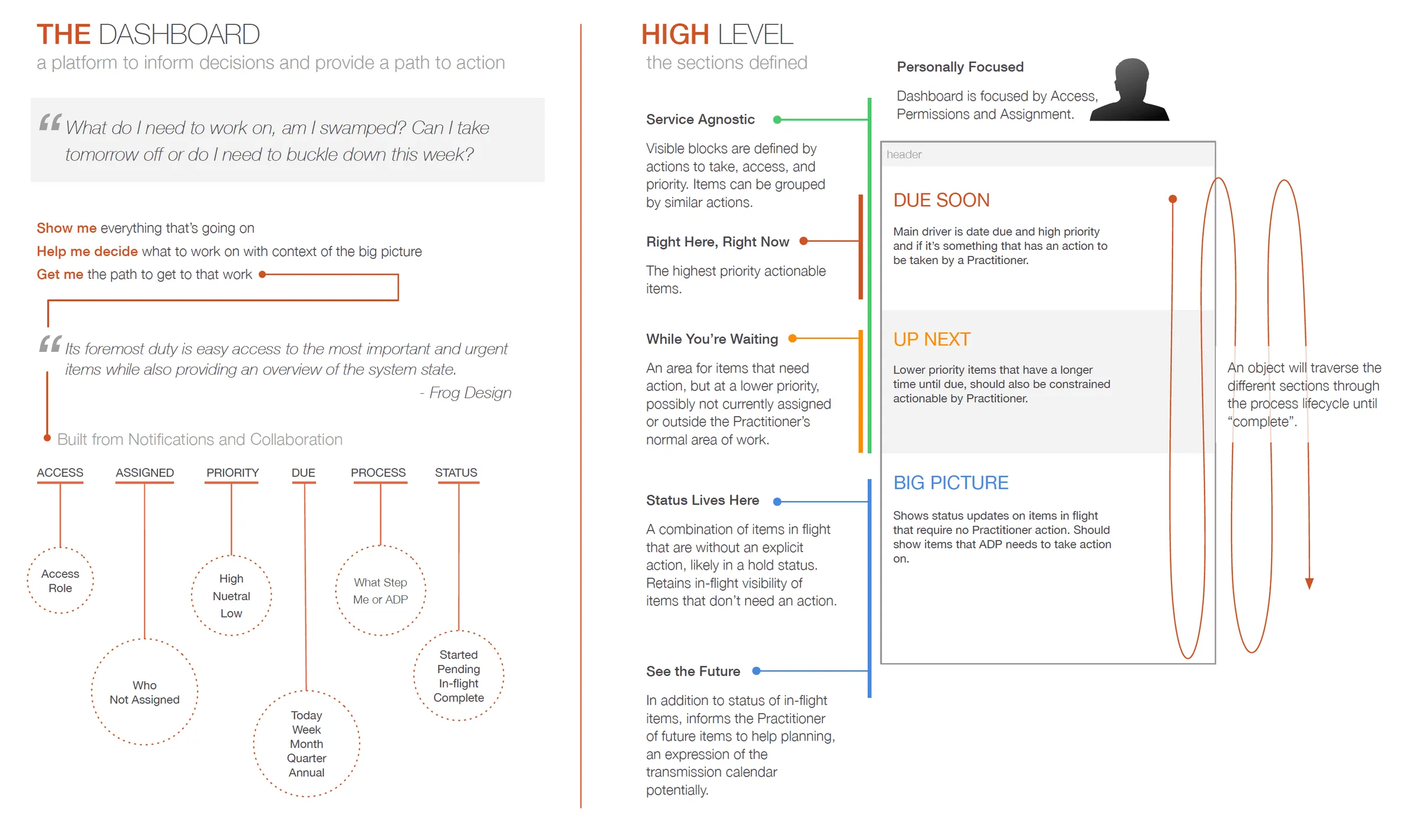
With feedback from users of current products and additional research, we also learned that our customers didn’t know what to prioritize. They couldn’t determine which actions were more important or urgent. We began to outline a system that could better inform decisions and drive action.
Consistency
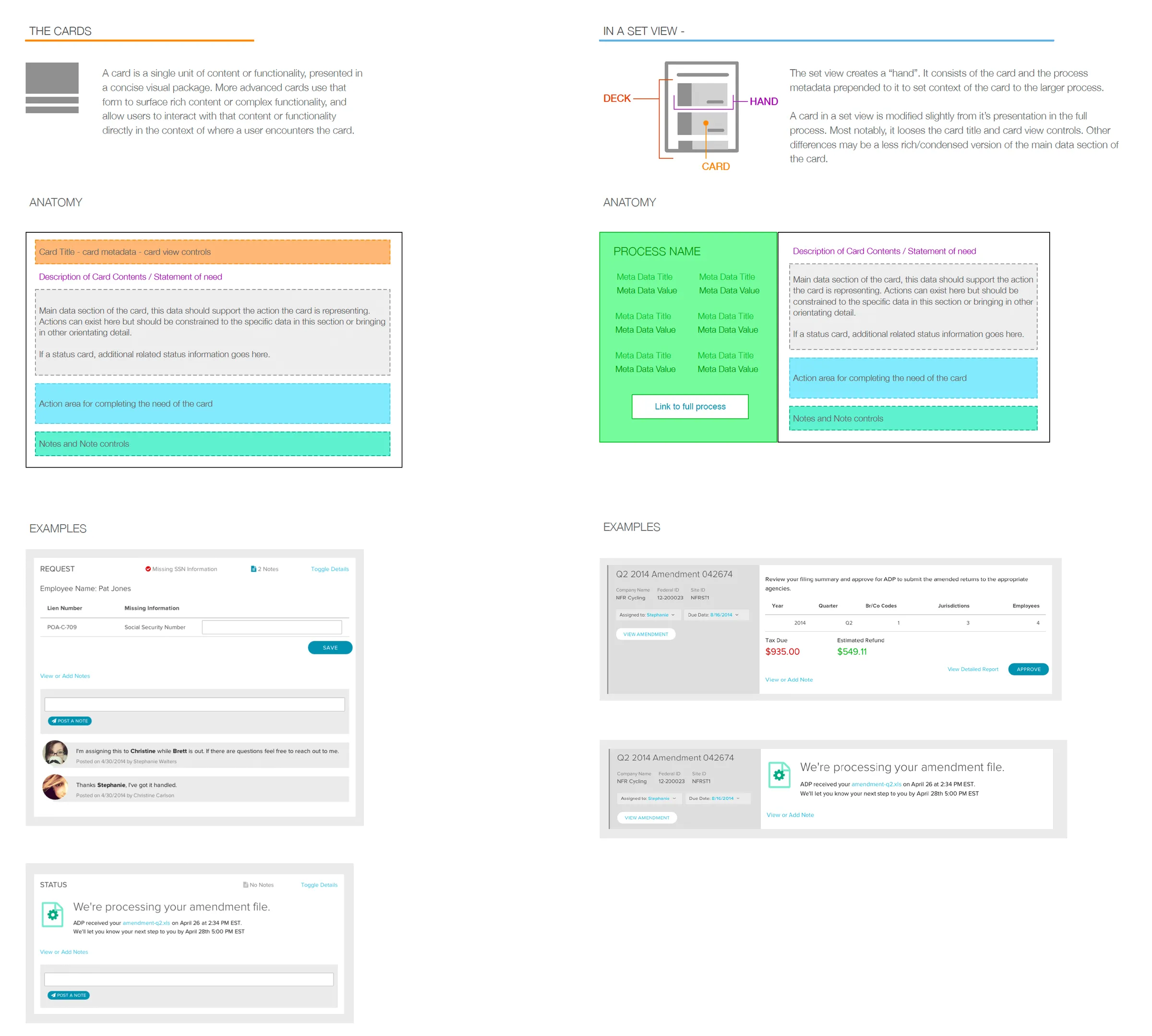
Our goal was also to bring consistency to our flows and interactions. The applications previously created around the ‘Services’ all had different interaction models, meaning customers had to learn six different ways to complete similar tasks. With the system designed for the Smart Compliance Platform, we brought clarity and consistency to all actions within the various services.
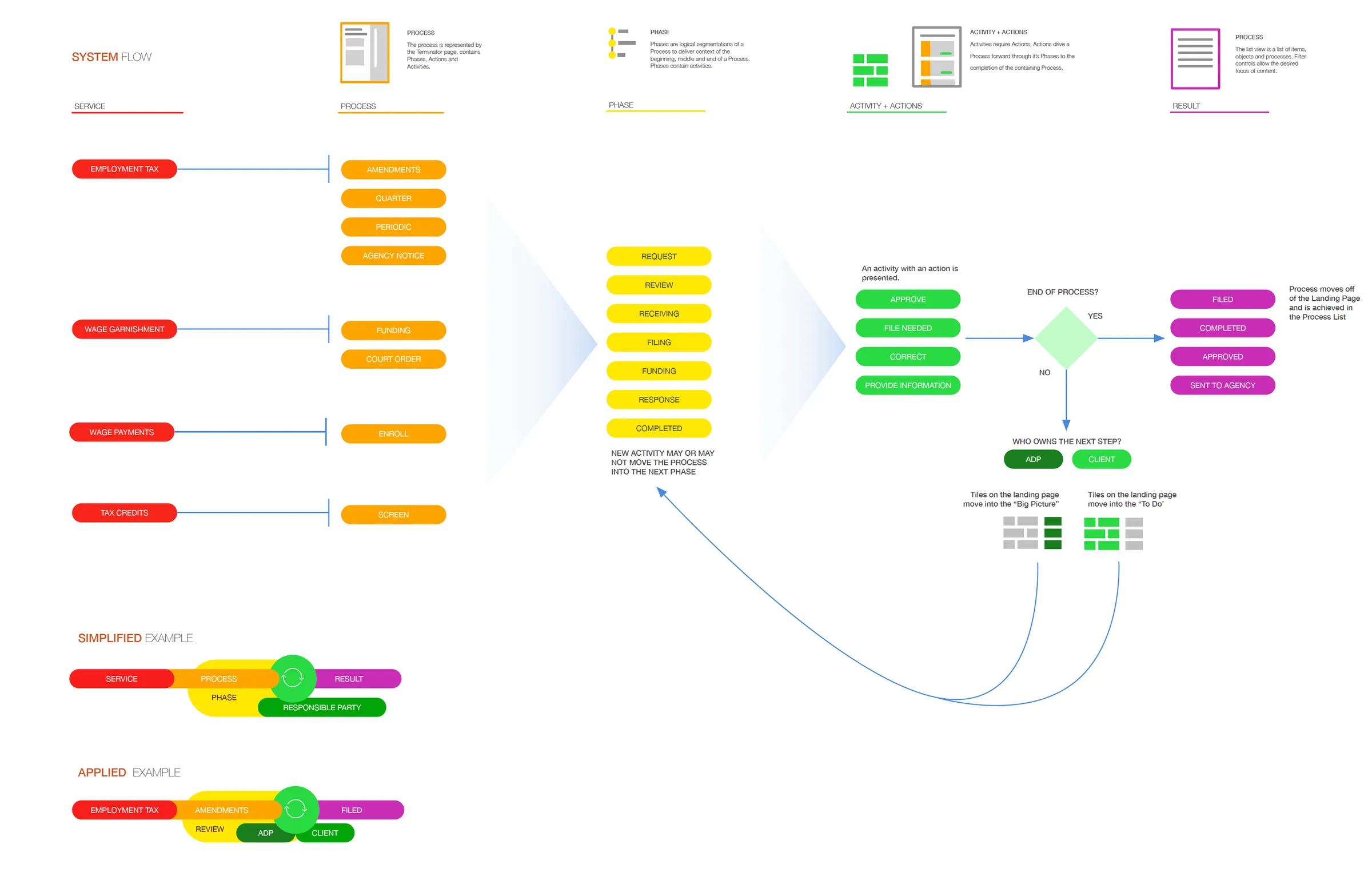
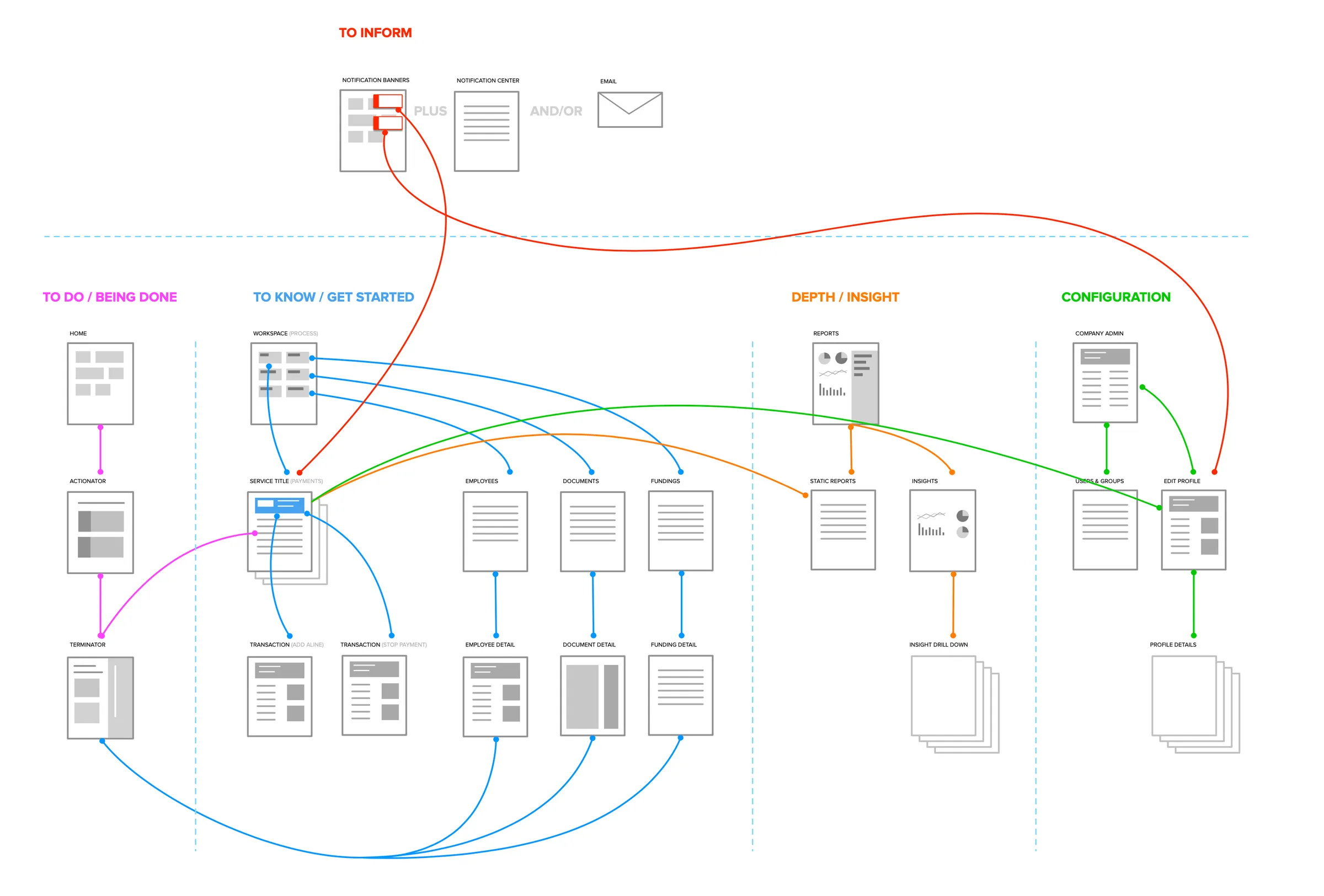
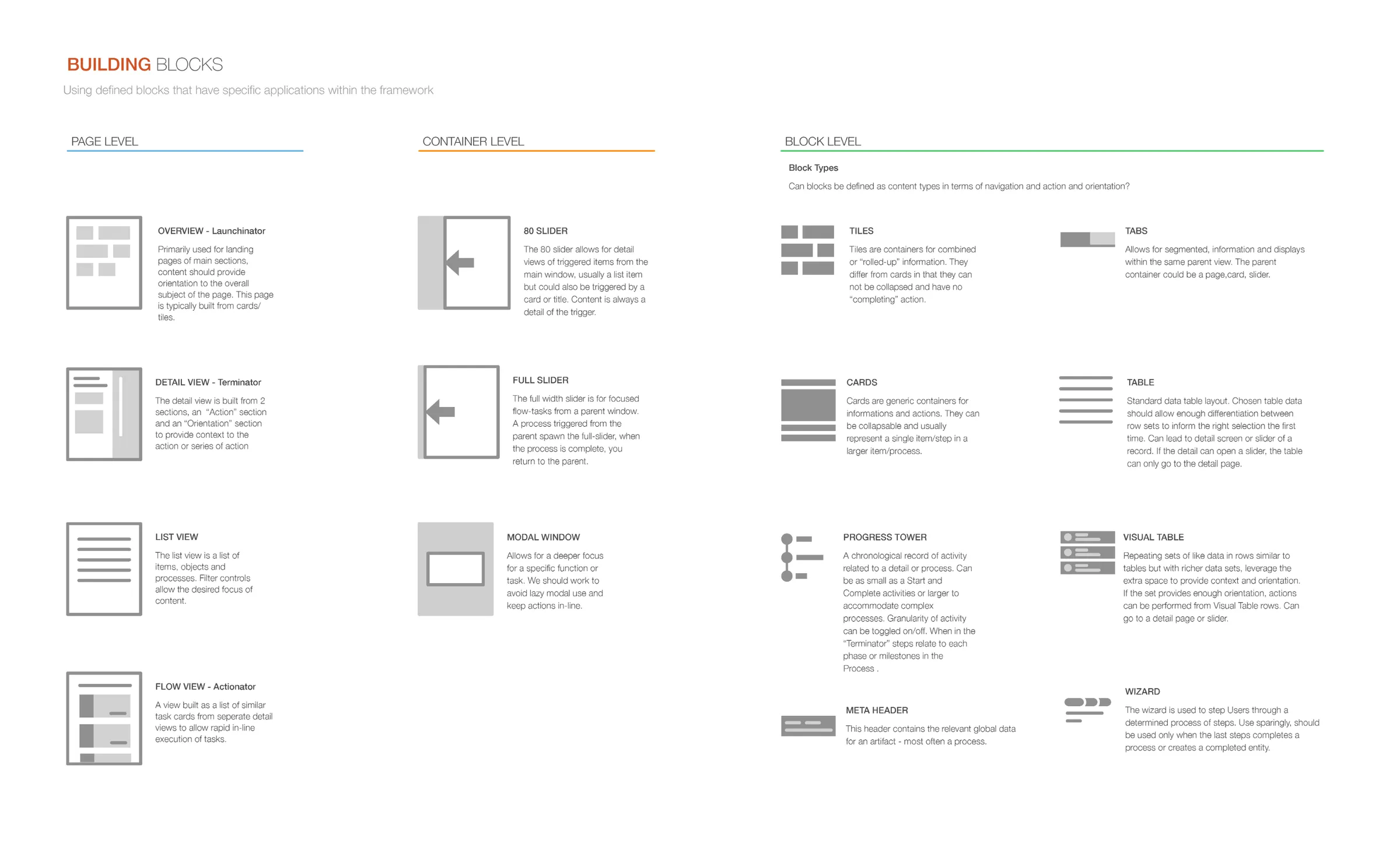
Data driven interfaces
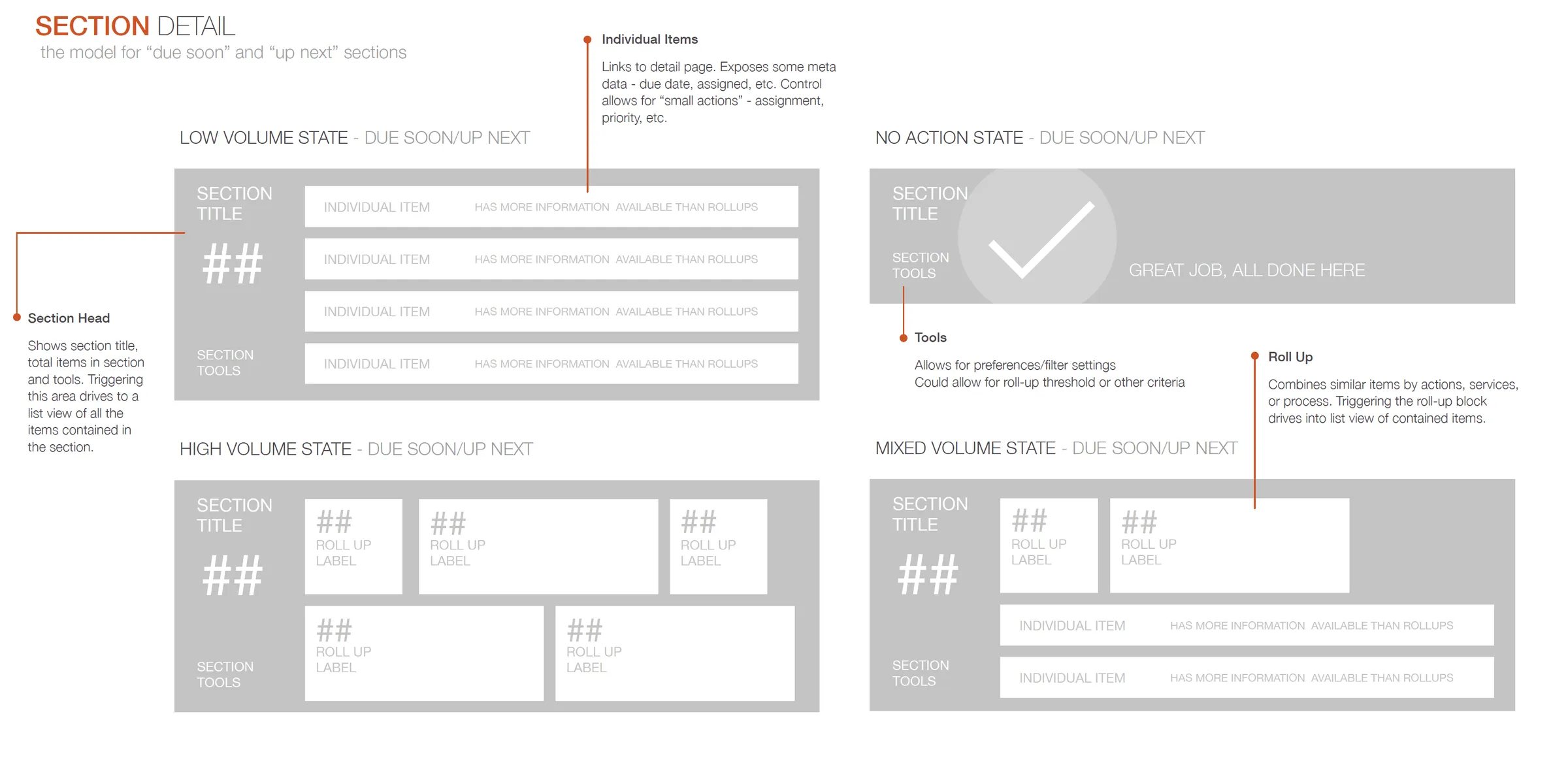
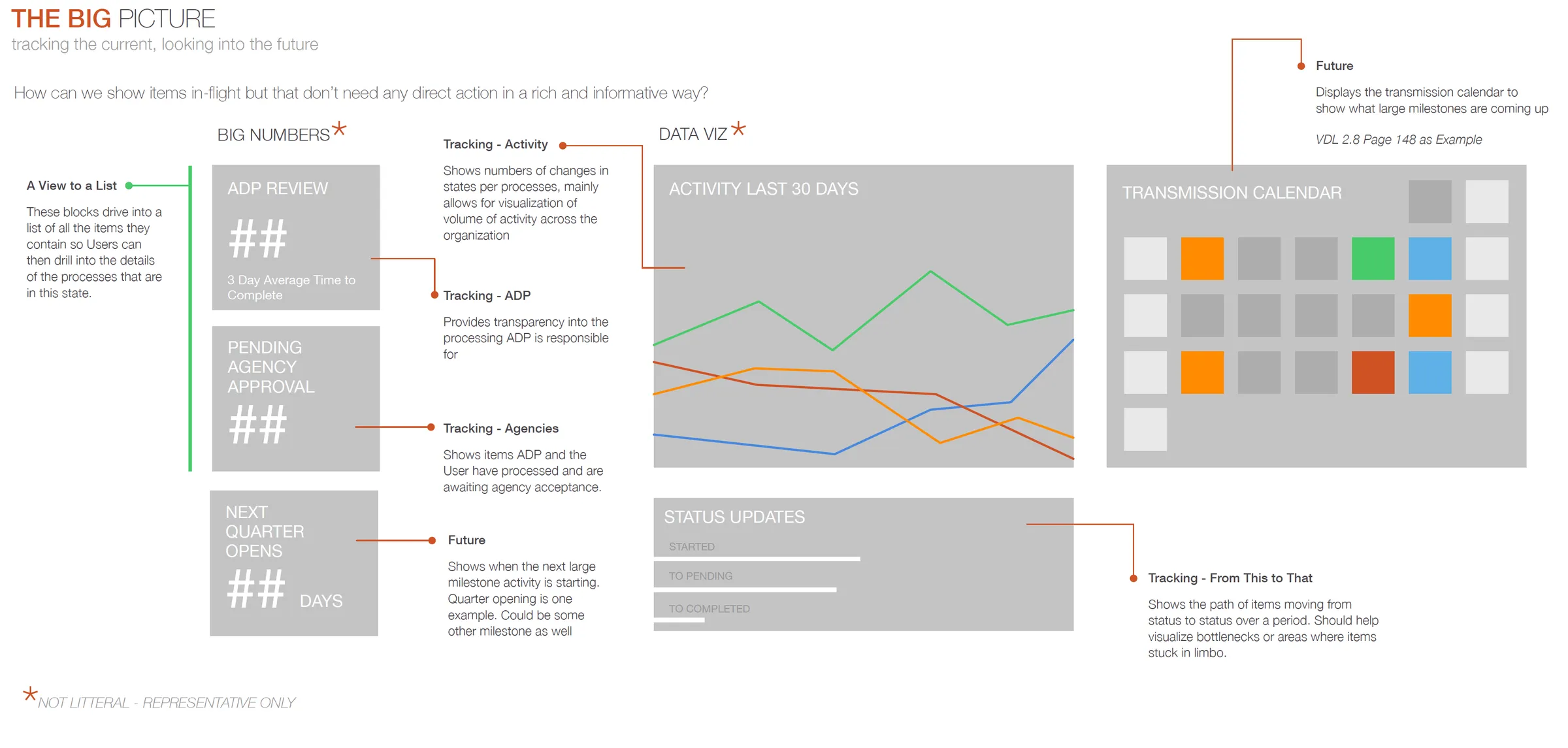
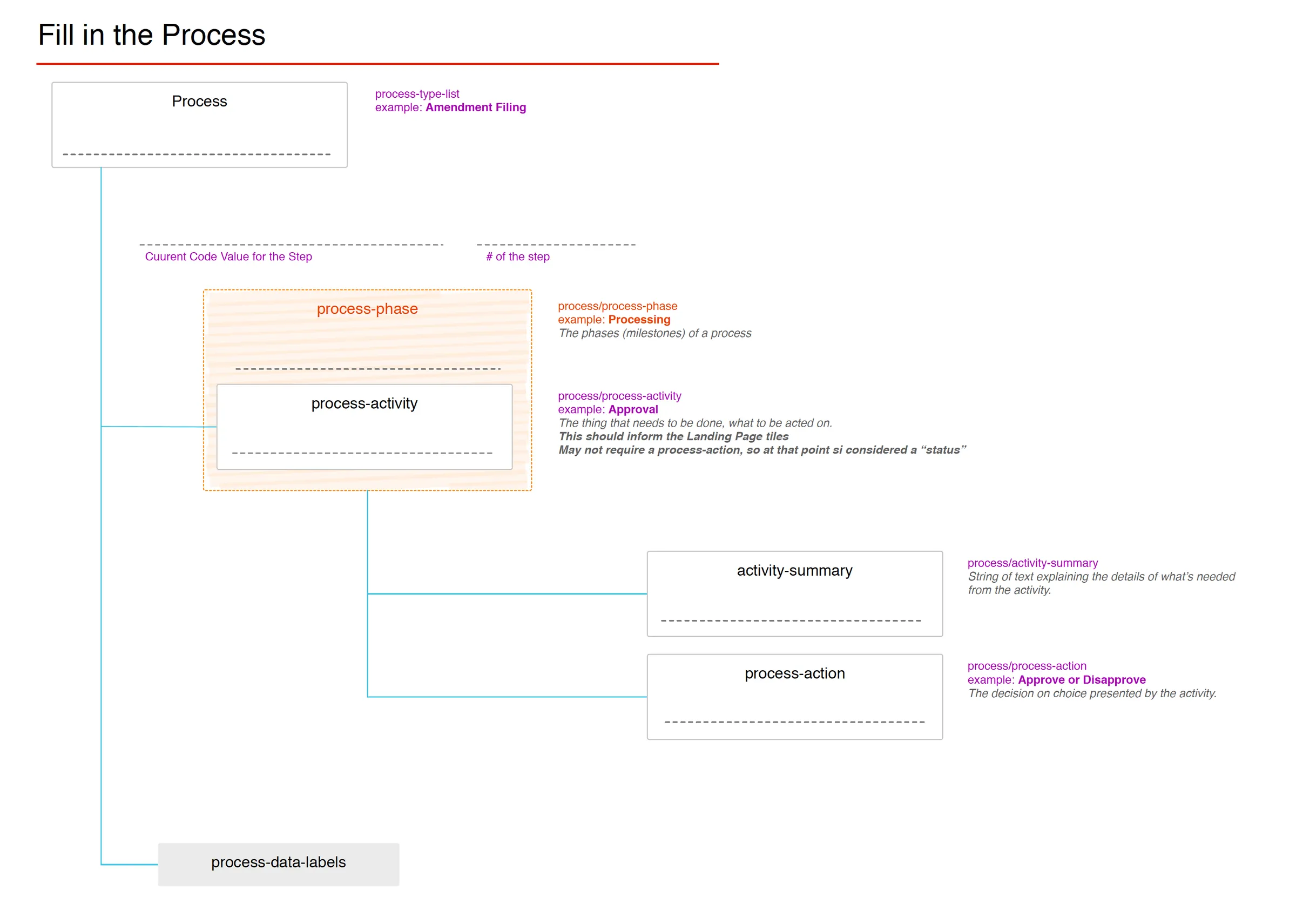
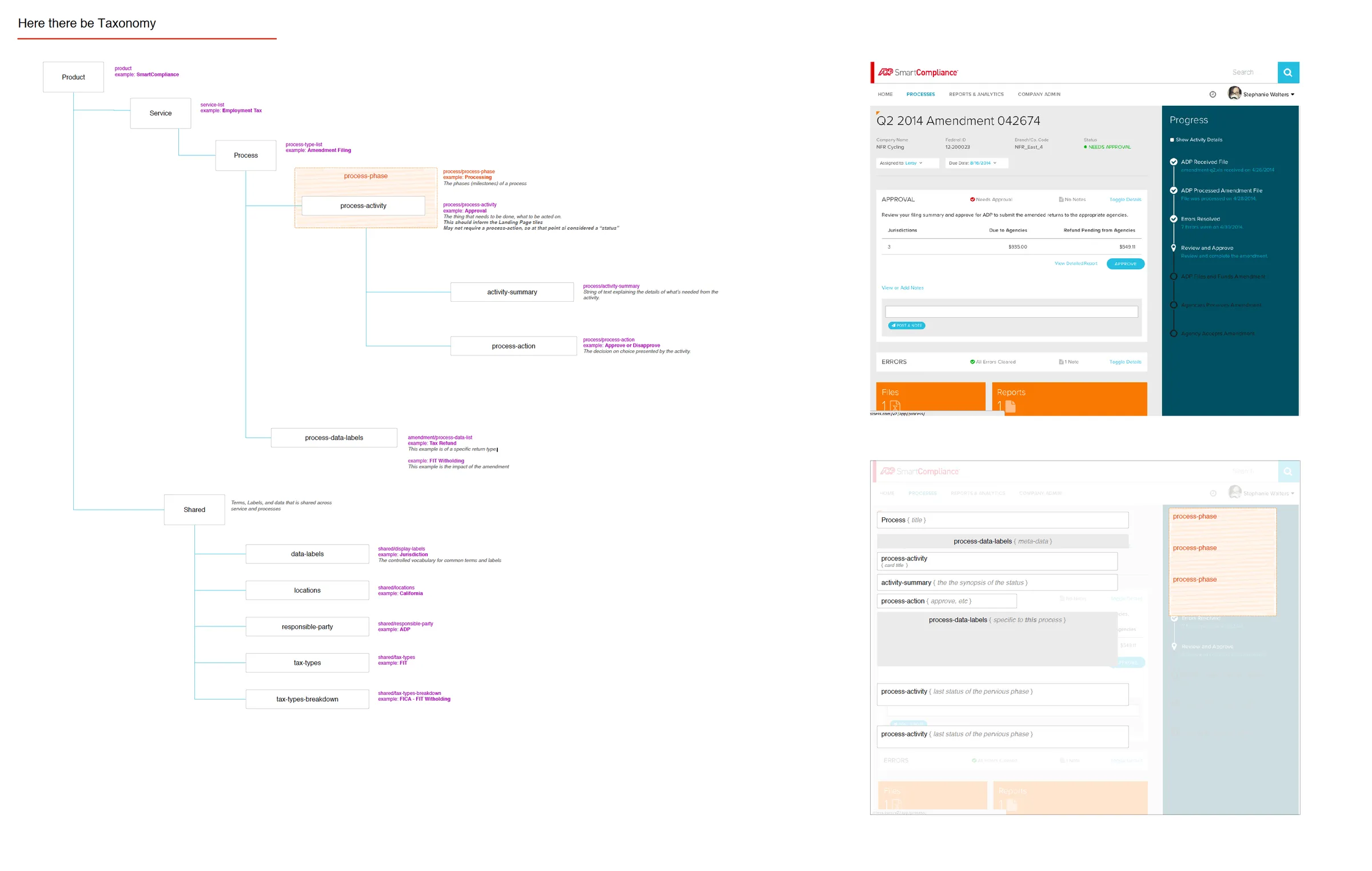
After designing the high-level concept of the system, we moved on to detailing the individual page types. We needed to determine how data across the services would drive the system at the page level. We also needed to normalize data structures across the six services to align them with the new system model, while allowing flexibility for their unique differences.
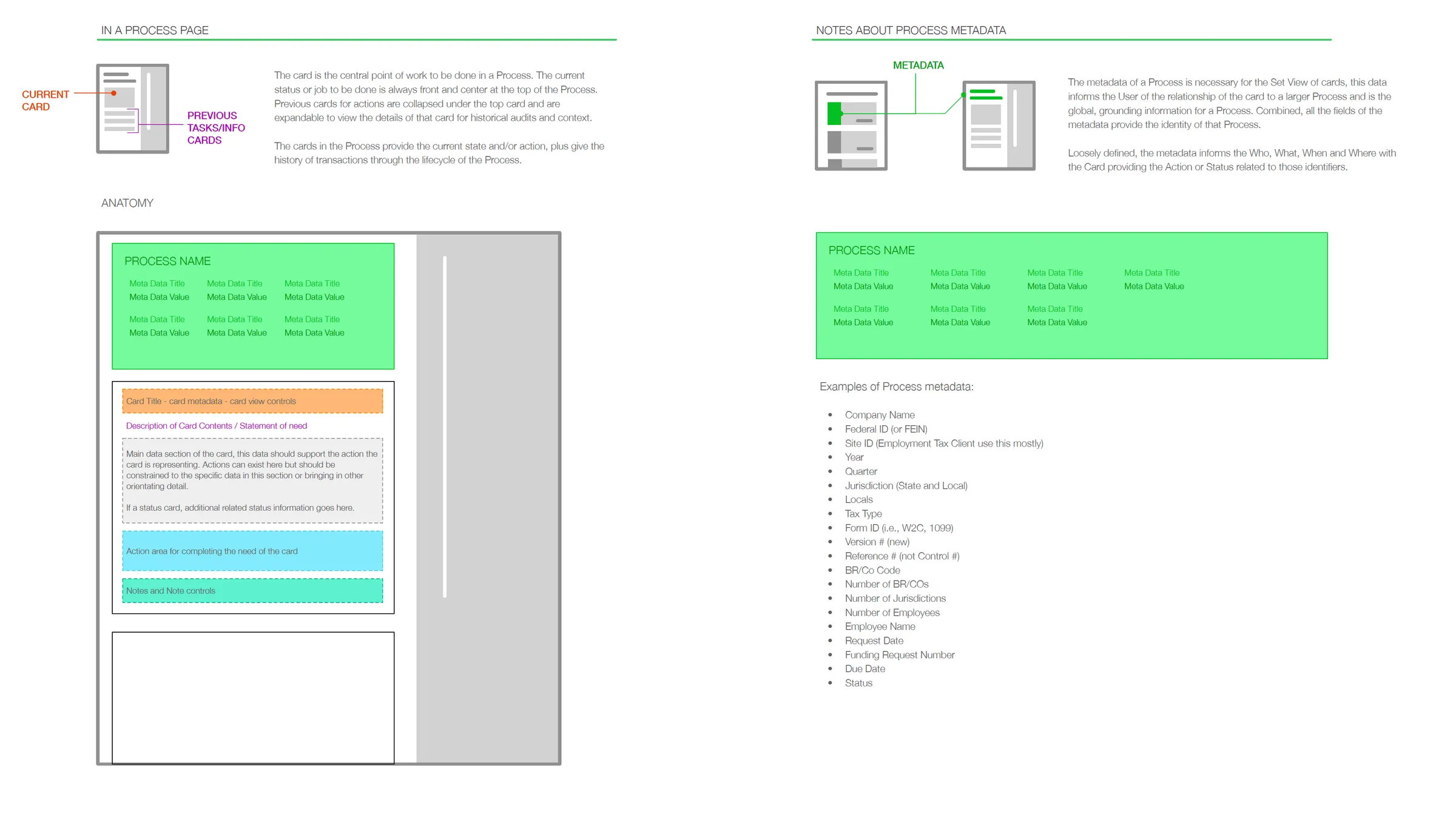
Outcomes
The new system provided much greater transparency into which tasks needed to be completed and which were the most important-something customers had been requesting. The launch of Smart Compliance was also a significant step for that segment of the company. It demonstrated the success possible in transitioning to a product-led culture. That culture shift, and the subsequent work, were instrumental for ADP and its continued success in HR and payroll software and services.
- A single platform with a global interaction model for tasks made it much easier for customers to use.
- A global notification and messaging system eliminated duplicate messaging and mail, reducing confusion.
- Reduced time on task for most common tasks on the platform compared to the previous separate solutions.
- One platform to rule them all-no hobbits were harmed, and Sauron did not return to Middle Earth.

Hindsight
I’m proud of what we accomplished with Smart Compliance despite the challenges—new teams, old systems, and high complexity. While our solution felt right at the time and was validated by some user input, I now see areas for improvement.
If I could revisit the project, I would focus more on aligning with existing mental models and respecting workflows within individual products. By prioritizing a unified interaction model, we may have sacrificed some usability and effectiveness that could have better supported our users.